
MNN 15.6" FHD 60Hz Portable Monitor
4.3Editor score
15.6 inch Full HD IPS panel
USB-C and HDMI connectivity
Lightweight portable design
Finding the right monitor for Linux can be tricky since not all hardware supports open-source drivers perfectly. You need screens that work seamlessly with your distribution while delivering crisp visuals and reliable connectivity for daily tasks.
We evaluated ten top-rated displays based on their compatibility with Ubuntu, Debian, and other Linux systems. Our list includes portable screens, gaming panels, and productivity monitors that offer plug-and-play support or robust driver integration.
Each pick shows key specs like resolution, refresh rate, and connection types to help you match your workflow. Keep in mind that prices fluctuate often so check current listings before making your final purchase decision today.
4.3Editor score

4.9Editor score

4.6Editor score
As an Amazon Associate we earn from qualifying purchases.
This table compares all ten monitors side by side so you can quickly see which model fits your Linux setup best based on size, resolution, and connection options.


The MNN 15.6 inch portable monitor offers a solid budget-friendly option for Linux users needing a secondary screen. It features a Full HD IPS panel with accurate colors and a 178 degree viewing angle that makes it easy to view from any position.
We may earn a commission when you buy through this link, at no additional cost to you.
Its double Type-C port design allows for plug and play connectivity using just one cable for power and signal transmission. This simplifies setup on laptops that support Thunderbolt 3 or USB 3.1 Type-C with DP ALT-MODE which many modern Linux machines include.
While it lacks a high refresh rate and uses a glossy screen that can reflect light it still delivers lifelike colors and reduced blue light for eye comfort during long sessions. The included smart cover doubles as a stand to protect the screen when traveling.
Buy this if you need an affordable secondary display for work or gaming on the go without breaking the bank. It works well with PCs laptops phones and consoles making it a versatile choice for diverse setups and daily tasks.
Two Full Feature Type-C ports mean you can connect via USB-C alone for both power and video which simplifies cable management significantly.
The screen effectively reduces blue light radiation damage and eliminates flickering so you can watch videos or work for longer periods without strain.
We may earn a commission when you buy through this link, at no additional cost to you.
This 10.1 inch mini monitor delivers crisp visuals with a 1280×800 IPS display that supports both Windows and Linux systems including Ubuntu and Kali. It is especially useful for small projects or portable setups where screen real estate is limited.
We may earn a commission when you buy through this link, at no additional cost to you.
It supports 10-point touch on Windows and single-point touch on Linux making it responsive enough for interactive tasks like navigating menus or controlling applications. The plug and play design via HDMI for video and USB for power keeps setup straightforward without drivers.
Weighing only 520 grams this monitor is extremely portable and comes with four mounting holes on the back so you can attach it to walls or integrate it into DIY electronics projects securely. The ABS plastic shell offers durability for daily handling.
Choose this if you need a compact touchscreen for Raspberry Pi Jetson Nano or small Linux devices. Its size and touch capabilities make it perfect for makers CCTV use or embedded systems where space is tight but interaction is essential.
The four mounting holes on the back let you integrate this screen into custom enclosures or wall setups easily for professional looking projects.
While Linux limits touch to single-point on this model it still enables precise interaction for navigation and control tasks within supported distributions.
We may earn a commission when you buy through this link, at no additional cost to you.
The CIDETTY extender turns your laptop into a dual screen workstation supporting up to 200 percent increased productivity for programmers and travelers. It uses a high-performance FHD IPS display with a matte anti-glare coating that reduces strain during long coding or writing sessions.
We may earn a commission when you buy through this link, at no additional cost to you.
Plug and play works seamlessly if your laptop has a full-functioned Type-C port or HDMI and USB-A ports. The 178 degree viewing angle ensures content remains clear from any side which is great for sharing screens during meetings or collaborative work remotely.
The telescopic stand fits 13 to 17.3 inch laptops securely while soft padding protects edges from scratches. Linux compatibility is noted though users should check manuals for port specifics since some older models may lack required inputs without adapters.
Buy this to expand your workflow anywhere with a reliable plug and play second screen. It suits professionals who need multiple windows open simultaneously and want to avoid constantly switching between tabs on a single small laptop display.
Opening multiple windows across two screens lets you manage video calls and documents simultaneously without constant toggling or window resizing.
Independent brightness controls and a matte finish help reduce glare and eye strain so you can work longer comfortably without fatigue.
We may earn a commission when you buy through this link, at no additional cost to you.
ELECROW offers a 10.1 inch IPS touchscreen that delivers crisp visuals and vivid colors suitable for Raspberry Pi and Linux projects. It supports 5-point touch on Windows and single-point touch on Ubuntu Kali Linux enabling precise interactions for small interfaces.
We may earn a commission when you buy through this link, at no additional cost to you.
Connectivity is straightforward with HDMI for video and USB for power making it plug and play compatible with many SBCs and laptops. The included stylish acrylic case adds screen protection while giving it a sleek appearance for permanent or portable setups.
Four mounting holes on the back allow wall mounting or integration into custom builds which is ideal for makers and DIY electronics. Weighing only 521 grams it remains portable and travel-friendly without sacrificing build quality or touch responsiveness.
Pick this for interactive kiosks or portable devices needing touch input within a small footprint. Its compatibility with various systems and durable case make it a reliable choice for both development and deployment in tight spaces.
The acrylic case protects the screen from scratches and impacts ensuring longevity when used in environments with frequent handling or transport.
Mounting holes enable secure installation on walls or custom enclosures expanding possibilities for embedded systems and home automation projects.
We may earn a commission when you buy through this link, at no additional cost to you.
KEFEYA delivers a triple monitor system with two 15.6 inch FHD displays that boost productivity by up to 300 percent through multitasking. The ultra-thin 0.16 inch profile and 3.9 pound weight make it feasible to carry while still offering vibrant visuals.
We may earn a commission when you buy through this link, at no additional cost to you.
Each screen offers independent brightness and contrast control so you can tailor viewing conditions for different tasks. Linux compatibility is broad though Mac M1 M2 and M3 chips require an external adapter for proper connection to maintain full functionality.
The foldable design with a leather bag supports on-the-go setups and the 180 degree rotation lets you switch between portrait and landscape easily. Plug and play works via USB-C or HDMI cables which are included to reduce initial setup complexity.
Choose this if you need massive screen real estate for trading programming or content creation on a laptop. The triple screen layout significantly cuts window switching time and supports complex workflows that demand multiple simultaneous views.
Running multiple tasks like video conferencing and data analysis simultaneously across three screens saves time and reduces context switching errors.
The foldable frame and included bag turn your laptop into a full workstation anywhere ensuring you stay productive during business trips or remote work.
We may earn a commission when you buy through this link, at no additional cost to you.
Samsung Odyssey G55C brings a 32 inch QHD curved panel that wraps around your vision with 1000R curvature for deep immersion in games. The QHD resolution offers 1.7 times the pixel density of Full HD making details crisp and lifelike.
We may earn a commission when you buy through this link, at no additional cost to you.
With a 165Hz refresh rate and 1ms response time motion stays smooth without blur or lag. AMD Radeon FreeSync syncs refresh rates with your GPU to reduce tearing which helps in fast-paced Linux gaming scenarios when paired with compatible graphics.
HDR10 support enhances contrast with deep blacks and vibrant colors while Eye Saver Mode minimizes blue light for comfort during extended sessions. The curved design fills peripheral vision but requires more desk space than flat alternatives.
Ideal for gamers who prioritize immersion and visual fidelity on a Linux desktop. The high refresh rate and curve create an engaging experience that flat monitors cannot match especially for simulation or action titles.
The 1000R curve matches your eye field of view drawing you into games and making scenes feel more natural and engaging.
A 165Hz refresh rate and 1ms response ensure fast action plays smoothly without motion blur keeping you competitive in rapid gameplay.
We may earn a commission when you buy through this link, at no additional cost to you.
The Sceptre 22-inch monitor delivers a 144Hz refresh rate for smooth gaming visuals in a compact design that fits smaller desks. It includes built-in speakers which removes desk clutter by eliminating the need for external audio solutions.
We may earn a commission when you buy through this link, at no additional cost to you.
Blue-Light Shift technology helps protect your eyes during long sessions by reducing harmful blue light emissions promoting healthier viewing habits. The minimal bezel design allows for a dual monitor arrangement that feels seamless and distraction free for multitasking.
Connectivity via HDMI and DisplayPort ensures compatibility with most Linux systems and graphics cards. While the screen is smaller than premium options it offers solid performance for its price making it a strong entry point for budget-conscious gamers.
Buy this if you want a high refresh rate gaming monitor without paying extra for size or advanced features. Its built-in audio and eye care features add practical value for everyday use and casual competitive play.
Built-in speakers provide seamless audio without extra cables keeping your desk organized and reducing setup steps for quick gaming sessions.
Blue-Light Shift reduces strain during long play allowing you to focus longer without discomfort or eye fatigue.
We may earn a commission when you buy through this link, at no additional cost to you.
ASUS ROG XG27AQDMGR features a 27 inch QHD OLED panel with TrueBlack glossy finish offering exceptional HDR performance and 240Hz refresh. The 0.03ms response time eliminates ghosting ensuring smooth motion clarity even in the fastest-paced Linux gaming scenarios.
We may earn a commission when you buy through this link, at no additional cost to you.
ASUS OLED Care Pro includes a Neo Proximity Sensor that switches to black screen when you step away to reduce burn-in risk. VESA DisplayHDR 400 True Black compliance and Delta E under 2 color difference ensure accurate and vibrant visuals.
It comes with a three-year warranty including burn-in coverage and a free Adobe Creative Cloud subscription until 2028. The glossy finish enhances color pop but may reflect ambient light more than matte screens in bright rooms.
Select this premium option if you want top-tier color and speed for professional gaming or content creation. Its advanced protection and warranty make OLED viable for long-term use despite higher initial investment compared to LCD alternatives.
Proximity sensors and warranty coverage reduce burn-in risks extending panel lifespan for heavy users who value OLED benefits over traditional LCDs.
Delta E under 2 and 99 percent DCI-P3 gamut ensure colors are true to life which is essential for design and photo work on Linux.
We may earn a commission when you buy through this link, at no additional cost to you.
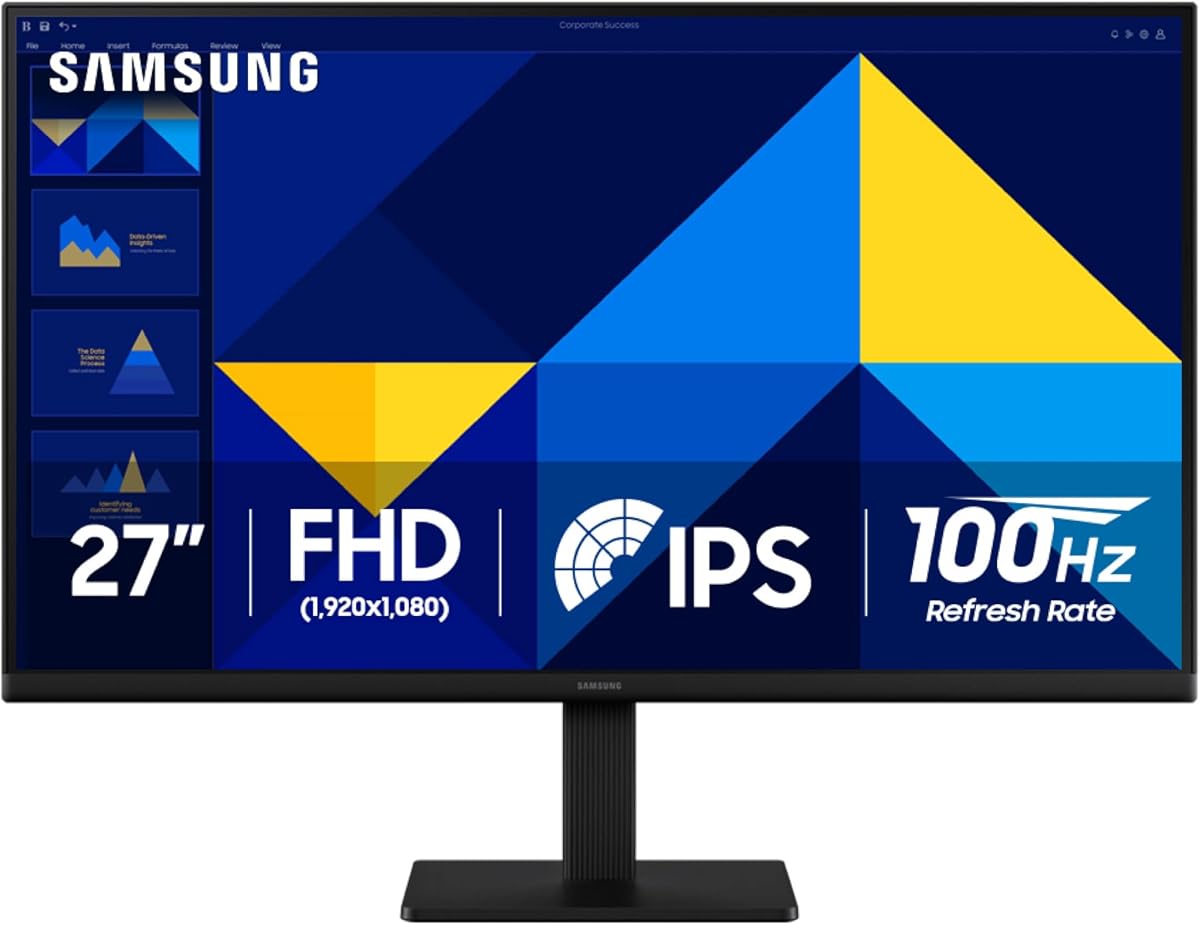
Samsung Essential S30GD delivers vivid IPS colors that stay consistent across the screen even at extreme viewing angles. A 100Hz refresh rate reduces motion blur keeping action clear for casual gaming or video playback on Linux systems.
We may earn a commission when you buy through this link, at no additional cost to you.
Game Mode adjusts settings instantly to fill the screen with detail and eye care tech reduces flicker and blue light for comfort. The slim bezel and lightweight frame give it a modern look that fits well in any home office setup.
Built-in ports let you plug devices directly into the monitor which simplifies cable routing on your desk. While it lacks advanced gaming features it balances performance and value for general tasks with occasional entertainment.
Choose this for a versatile daily driver that handles work and light gaming equally well. Its color consistency and eye care features make it suitable for long workdays and creative projects on Linux.
IPS technology ensures tones remain bright and clear across angles so you won't notice color washing when working side by side.
Super-slim design with ultra-thin borders enhances any desk setup with a sleek professional look.
We may earn a commission when you buy through this link, at no additional cost to you.
The ViewFinity S7 offers 4K UHD resolution at 3840 by 2160 for exceptional clarity and visual excellence on Linux. HDR10 optimizes contrast to reveal over one billion accurate colors making intricate designs and dynamic video content appear incredibly detailed.
We may earn a commission when you buy through this link, at no additional cost to you.
Eye Saver Mode technology certified by TÜV reduces strain by minimizing blue light and preventing screen flickering during long sessions. HDMI and DisplayPort ports simplify setup and allow flexible connectivity for various desktop configurations and graphics hardware.
Game Mode adjusts contrast for clearer scenes but the monitor focuses mostly on productivity with its high pixel density. It suits professionals needing sharp text and precise color for layouts without sacrificing eye comfort over hours.
Pick this if you work with complex diagrams or video content that demands true pixel accuracy. The 4K detail and HDR support deliver professional-grade visuals that standard Full HD panels cannot match for design tasks.
High pixel density reveals greater levels of detail so you can work on intricate designs without losing edge sharpness or text clarity.
TUV certified Eye Saver Mode protects vision and reduces strain so you can stay focused longer without fatigue.
We may earn a commission when you buy through this link, at no additional cost to you.
Selecting the right monitor for Linux requires checking compatibility and features to ensure smooth operation with your distribution.
Linux support varies by manufacturer so look for monitors that work with open-source drivers or have plug-and-play modes. Many modern monitors work out of the box via HDMI or DisplayPort but some touch features might need extra config.
Check community forums for your specific distro to confirm touch and resolution scaling works before buying to avoid driver headaches later.
Higher resolutions like 4K offer sharper text and more workspace but may need scaling adjustments in your desktop environment. 27 inch screens are great for multitasking while smaller portable ones suit travelers needing extra space.
Choose a size that matches your desk space and resolution that your Linux UI handles without blurry text or tiny elements.
Gaming and video editing benefit from 144Hz or higher refresh rates that reduce motion blur. Response times under 5ms keep action sharp for competitive gaming but standard 60Hz is fine for general work.
Prioritize refresh rates above 75Hz if you play games on Linux since smoother motion enhances experience on compatible hardware.
USB-C with DP Alt Mode simplifies setup by carrying video power and data through one cable. HDMI and DisplayPort remain reliable for most desktops so ensure your GPU or laptop has matching ports.
Verify your laptop supports DP Alt Mode if you want USB-C only connectivity or prepare adapters for older models.
IPS panels provide wide viewing angles and accurate color which are vital for creative work. OLED offers better blacks and contrast but may need burn-in prevention features for static Linux taskbars.
Select IPS for color accuracy and productivity unless you prefer OLED contrast and accept extra maintenance settings.
Portable monitors should be lightweight with protective cases for safe travel. Stands and mounting holes let you integrate screens into custom setups or wall installations securely.
Check weight and included accessories to ensure durability whether you use it stationary or on the go.
Blue light filters and flicker-free tech help reduce strain during long coding or writing sessions. Look for certifications like TÜV for verified eye comfort standards.
Enable built-in eye care modes in your Linux settings to minimize blue light if hardware options are limited.
Budget options provide decent quality for basic tasks while premium models add features like OLED and high refresh. Consider what features you actually need versus marketing specs that do not affect daily use.
Set a realistic budget that fits your workflow needs without overspending on unnecessary features you won't use.
Connect your monitor using HDMI or DisplayPort for video and USB for power if needed. If using USB-C ensure your device supports DP Alt Mode to transmit both power and display signal through one cable.
Once connected open Display Settings in your Linux desktop environment to detect and arrange screens. Adjust resolution to the monitor's native setting and set scaling factors to keep text legible on high pixel density panels.
Clean the screen with a soft dry microfiber cloth to avoid scratches and keep it in a cool dry place to extend lifespan. Enable flicker-free and blue light modes through monitor OSD or Linux system settings to reduce eye strain over time.
Touchscreens work on Linux but support varies by distro and model. Many support single-point touch on Ubuntu and Fedora but multi-touch features might need extra configuration or drivers for full functionality.
HDMI and DisplayPort are safest for Linux as they work with open-source drivers out of the box. USB-C with DP Alt Mode is convenient if your system supports it for power and video over one cable.
Most portable monitors draw power from the host laptop rather than charging it. Ensure your laptop's USB-C port supports power delivery if you plan to use a single cable for both power and display.
Most modern monitors use standard VESA video modes that Linux detects without extra drivers. Touch features might need specific input drivers but basic display functions work plug and play on most distros.
4K is worth it for text clarity and workspace but requires proper scaling in your desktop environment. Use scaling factors between 150 to 200 percent to keep UI elements usable without excessive pixelation.
A refresh rate of 60Hz works fine for general use but 144Hz or higher enhances smoothness in gaming and video editing. Most Linux desktop environments handle high refresh rates well on compatible hardware.
Yes gaming monitors with high refresh and color accuracy suit work too. Just enable eye care modes to reduce strain since high refresh rates can increase battery drain on portable setups.
Check your desktop environment settings for scale options and use fractional scaling if available. Adjusting DPI settings or using Wayland can help resolve blurry text on high-resolution Linux displays.
We reviewed ten monitors offering diverse options from portable budget screens to premium OLED panels that suit various Linux workflows. The CIDETTY extender leads for productivity while the Samsung S71H delivers professional clarity for creators.
Prioritize compatibility and connectivity first to ensure smooth operation with your distribution. Consider how much screen space you need and whether touch or high refresh rates add real value to your daily tasks.
Prices and availability change often so verify current listings and specs before purchasing. Take advantage of return policies if a model does not integrate well with your specific Linux setup.