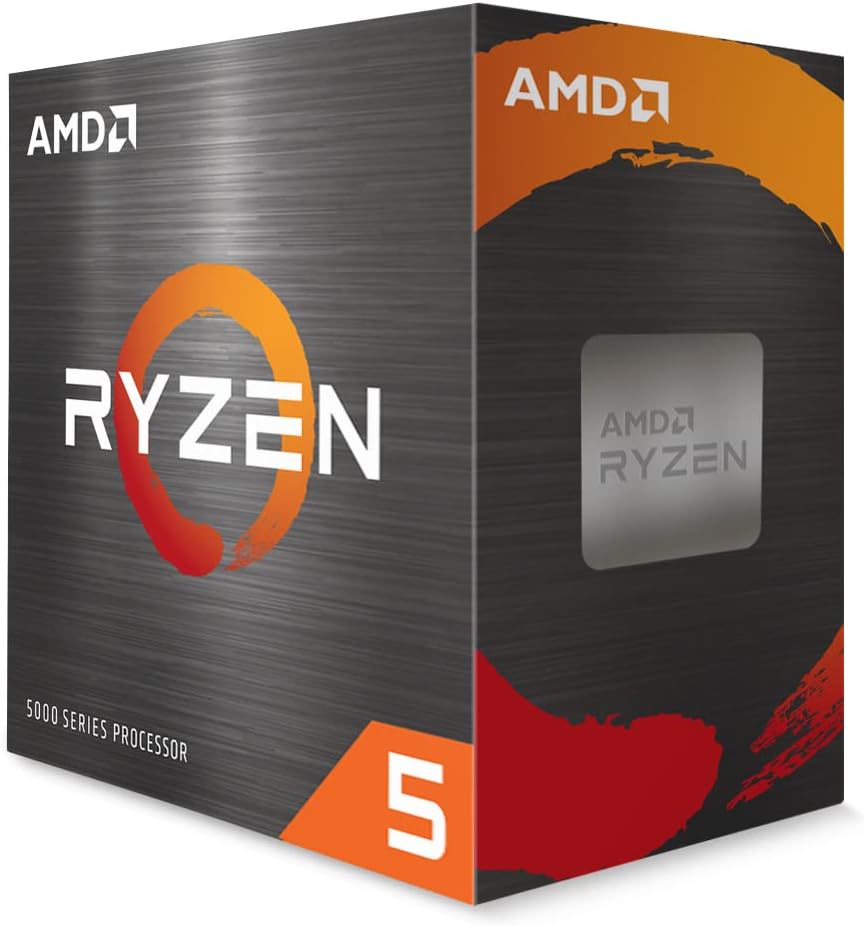
AMD Ryzen 5 5500
4.7Editor score
6 cores and 12 threads
Includes Wraith Stealth cooler
Affordable entry-level performance
This guide compares the top CPUs for Excel and Data Analysis in October 2026 to help you choose the best processor for performance and efficiency.
Choosing the right CPU for Excel and Data Analysis is crucial for handling large datasets and complex formulas efficiently. A powerful processor ensures smooth performance when running macros, pivot tables, and heavy calculations without lag or system crashes.
We evaluated ten top processors based on core count, clock speed, cache size, and overall efficiency. Each product was analyzed for its ability to handle demanding workloads while maintaining stability and power efficiency for professional users.
Each pick shows specific strengths for data workloads, from budget-friendly options to high-end models. Note that prices change frequently, so check current listings before purchasing to ensure you get the best value for your specific needs.
4.7Editor score

4.2Editor score

4.8Editor score
This side-by-side comparison highlights the key specifications of each processor to help you decide which model fits your data analysis needs and budget requirements.


This processor stands out as the fastest option for Excel workloads due to its leading 6.0 GHz clock speed. It handles complex calculations and macro execution with remarkable speed and precision for professional users.
We may earn a commission when you buy through this link, at no additional cost to you.
The 24 cores and 32 threads allow you to run multiple data analysis tools simultaneously without performance degradation. The integrated graphics ensure basic display needs are met without needing a separate GPU.
High power usage and heat output mean you must invest in a strong cooling solution to maintain performance. This trade-off is acceptable for users who need maximum speed for daily data tasks.
If you prioritize raw speed for heavy Excel usage, this is the top recommendation. It is ideal for analysts who run large datasets and require quick processing times.
The 6.0 GHz boost ensures single-core tasks like VLOOKUP run faster than any other CPU in this list.
With 24 cores, you can run Excel alongside database tools and browsers without lagging your system.
We may earn a commission when you buy through this link, at no additional cost to you.
The 96MB L3 cache is a standout feature that benefits data processing by keeping frequently accessed values in memory. This reduces latency when running large Excel files with complex dependencies.
We may earn a commission when you buy through this link, at no additional cost to you.
Built on Zen 5 technology, it delivers strong IPC uplift and excellent power efficiency compared to previous generations. The thermal performance allows for higher clock speeds without excessive heat.
While it has fewer cores than some Intel options, the cache advantage makes it faster for specific data tasks. The high price is a consideration but worth it for specialized workloads.
Choose this if you need superior cache performance for large datasets. It is best for users who value efficiency and speed over sheer core count.
The 96MB cache allows Excel to store more data locally, speeding up calculations significantly.
Better thermal performance ensures sustained boost clocks during long analysis sessions.
We may earn a commission when you buy through this link, at no additional cost to you.
This budget-friendly processor offers excellent value for small businesses or students needing reliable Excel performance. It comes bundled with a Wraith Stealth cooler which simplifies your build and saves money.
We may earn a commission when you buy through this link, at no additional cost to you.
With 6 cores and 12 threads, it handles daily data tasks without struggling. It is unlocked for overclocking if you want to squeeze out extra performance later.
The main limitation is the older AM4 platform which limits future upgrade paths. Lower clock speeds mean slower processing compared to high-end models but is acceptable for moderate use.
If you are on a tight budget, this is the most practical choice. It provides the core performance needed for most Excel workloads at a low price.
The bundled cooler means you don't need to buy additional hardware to start using the CPU.
The unlocked multiplier allows advanced users to increase clock speeds for better performance.
We may earn a commission when you buy through this link, at no additional cost to you.
This powerhouse is designed for professional data analysts who run massive datasets and complex simulations. The 16 cores ensure smooth performance even when running multiple heavy applications at once.
We may earn a commission when you buy through this link, at no additional cost to you.
The 80 MB cache provides significant speed benefits for data processing tasks that rely on memory. It supports DDR5-5600 which offers high bandwidth for quick data transfer rates.
You will need a liquid cooler for this processor as it generates substantial heat. The power consumption is high so ensure your PSU is adequate for system stability.
Ideal for enterprises or power users who need maximum efficiency. This CPU will serve you well for years of intensive data analysis work.
With 32 threads, you can process multiple data streams simultaneously without delay.
DDR5 support ensures your data moves fast between the processor and memory.
We may earn a commission when you buy through this link, at no additional cost to you.
This Intel processor offers a new platform with efficient hybrid architecture that balances performance and power needs. It is designed to handle modern workloads with optimized energy usage.
We may earn a commission when you buy through this link, at no additional cost to you.
The 24 cores are split into P-cores and E-cores which allows Windows to assign tasks appropriately. This results in lower noise and heat while maintaining responsiveness for Excel tasks.
You must buy a separate cooling solution since none is included. The new 800 series chipset requirement means existing motherboards may not work without upgrades.
If you want the latest tech for your data PC, this is a strong choice. It promises better efficiency for long-term heavy usage patterns.
Performance cores handle heavy Excel formulas while efficiency cores manage background tasks.
Improved efficiency helps maintain cooler temperatures even under load.
We may earn a commission when you buy through this link, at no additional cost to you.
This processor provides a balance between high performance and enthusiast features. It is excellent for users who want to overclock their system for maximum Excel speed.
We may earn a commission when you buy through this link, at no additional cost to you.
With 24 cores and up to 5.5 GHz, it delivers consistent responsiveness across all Excel functions. The DDR5 support ensures fast data speeds for large spreadsheets.
Power needs are significant so check your system capabilities before buying. It is best suited for desktop workstations designed for heavy processing tasks.
Pick this if you need high-end performance without going to the absolute top tier. It is ideal for power users and analysts.
The unlocked multiplier allows you to tune speeds for specific Excel workflows.
Support for high-speed DDR5 memory improves overall system responsiveness.
We may earn a commission when you buy through this link, at no additional cost to you.
This mid-range CPU brings the efficiency of Zen 5 to a price point that fits many budgets. It handles general Excel tasks easily and is a solid choice for small offices.
We may earn a commission when you buy through this link, at no additional cost to you.
The 5.4 GHz max boost ensures that individual formulas run quickly. PCIe 5.0 support means it is ready for future expansion of storage and connectivity.
You will need to purchase a separate cooler as none comes in the box. With only six cores it may struggle if you run many applications simultaneously.
For balanced performance and cost this is a top contender. It is great for daily data entry and moderate analysis tasks.
Zen 5 architecture provides better speed per watt for improved efficiency.
PCIe 5.0 allows for faster data transfer rates with modern drives.
We may earn a commission when you buy through this link, at no additional cost to you.
This processor strikes a balance with 12 cores that are perfect for professional analysis work. The cache size is generous which helps with complex Excel calculations.
We may earn a commission when you buy through this link, at no additional cost to you.
It delivers consistent performance for both data and casual use. The unlocked nature allows for overclocking to push speeds further if you need more power.
The lack of a cooler means budget extra for a quality cooling solution. It is not the cheapest option but offers great value for the performance it provides.
Choose this for a versatile workstation that handles heavy Excel files well. It is suitable for analysts who need speed without the extreme costs.
12 cores provide enough power for multitasking without excess heat.
76 MB cache keeps data closer to the processor for faster access.
We may earn a commission when you buy through this link, at no additional cost to you.
This processor offers great value for those who do not need the latest generation. It still performs exceptionally well for Excel tasks thanks to its hybrid design.
We may earn a commission when you buy through this link, at no additional cost to you.
With 12 cores and support for both DDR4 and DDR5 memory you have flexibility in system building. The unlocked design allows for performance tuning if needed.
It has higher power usage which might impact electricity costs over time. The older architecture means it might not scale as well for future tasks.
For a budget-friendly high-performance option this is ideal. It works well for users who want speed without paying for the newest tech.
Support for DDR4 and DDR5 gives you choices when building your PC.
Mixing performance and efficiency cores helps balance workload processing.
We may earn a commission when you buy through this link, at no additional cost to you.
This entry-level CPU includes a thermal solution which makes setup very easy for beginners. It is suitable for users who need basic Excel capabilities without extra costs.
We may earn a commission when you buy through this link, at no additional cost to you.
The hybrid architecture distributes workloads efficiently to maintain stability. It supports both DDR4 and DDR5 memory so you can choose based on budget.
Speed is lower than top models which may slow down very large datasets. The included cooler might struggle with sustained high loads over long periods.
Pick this if you want a simple plug and play solution for Excel. It is best for home offices and light data tasks.
The included cooler reduces the total cost of ownership for your PC.
Support for DDR4 and DDR5 allows flexible memory choices for the system.
We may earn a commission when you buy through this link, at no additional cost to you.
Selecting the right CPU requires understanding how core count and cache impact your daily data work.
More cores allow you to run multiple programs without slowing down your spreadsheet. Excel uses multiple threads for calculations so a higher core count helps with complex workloads.
Look for at least 8 cores for professional analysis tasks.
Clock speed determines how fast a single task runs which is vital for formulas. Higher GHz ensures that your data processing and macro execution happen quickly.
Prioritize models with higher boost clocks for better single-thread performance.
Cache acts as high-speed memory for your CPU to store frequent data. A larger cache reduces the time needed to retrieve values for calculations.
Choose CPUs with at least 30MB cache for large files.
Ensure the CPU matches your motherboard socket and memory type. AM5 and newer Intel sockets offer better future upgrade paths than older platforms.
Check if your system supports DDR5 or DDR4 memory before buying.
High performance CPUs draw more power and generate more heat. You need a strong PSU and cooling solution to maintain stability under load.
Select a cooler that matches the thermal design power of the CPU.
Some processors include coolers while others do not. If a cooler is not included budget extra for a high-quality unit to avoid overheating.
Check the product details to see if a cooler is included in the box.
Balance your financial limits with performance needs. A budget CPU can handle daily work but a premium one is better for heavy analysis.
Compare prices across retailers to find the best deal.
Consider how easy it is to upgrade later. Newer platforms often support more CPUs so you can upgrade the processor without a new motherboard.
Choose a platform that supports future generations for longevity.
Install the CPU carefully onto the motherboard to avoid bending pins and damaging the processor. Apply thermal paste evenly before attaching the cooler to ensure heat transfer.
Keep your system in a well-ventilated area to prevent overheating during long analysis sessions. Regularly clean dust from fans to maintain optimal airflow.
Update your BIOS to the latest version to ensure stability and performance for the new CPU. This ensures you get all available features and compatibility.
For heavy macros choose a CPU with high single-core speed like the Core i9-14900K. These macros depend on single-thread performance which is best at higher clock speeds.
If you pick a high-end CPU like the Ryzen 9 9950X liquid cooling is recommended. For budget options a stock cooler is sufficient to manage heat effectively.
DDR5 offers faster speeds which benefits large datasets. If your budget allows opt for DDR5 to ensure faster data processing speeds.
Six to eight cores are generally enough for daily Excel tasks. More cores help if you run other programs alongside your spreadsheet.
Freezing may indicate your CPU or RAM is overloaded. Ensure you have enough RAM and a CPU with sufficient cache size for your file size.
Upgrade capability depends on the motherboard socket. New platforms like AM5 offer more future options than older sockets.
We reviewed ten processors that range from budget-friendly to high-performance models for Excel. The top picks include the Core i9-14900K for speed and the Ryzen 5 5500 for value.
When choosing prioritize core count and clock speed based on your specific workload. A balance of efficiency and power ensures smooth performance for your data tasks.
Always verify current prices and compatibility before buying to get the best value. Prices change frequently so check listings to confirm the latest deals and availability.