
Anker SOLIX C300 DC Portable Power Station
4.5Editor score
Lightweight travel size
7 versatile device ports
Affordable entry level
This guide compares the best Anker power stations for home backup, camping, and off-grid living based on capacity, speed, and value.
Finding reliable portable power is essential for modern needs. Anker offers a wide range of stations suited for emergencies, travel, and off-grid setups. These units combine high capacity with fast recharging technology to keep your devices running when it matters most.
We evaluated ten top models based on real-world performance, battery chemistry, and versatility. Our comparison looks at output power, solar input limits, and expandability options. This list helps you choose the right station for your specific power demands and budget.
Each pick highlights key strengths, ideal use cases, and notable trade-offs. Prices can fluctuate daily so always check the latest offers before buying. Use this guide to find a durable power source that fits your lifestyle and energy requirements perfectly.
4.5Editor score
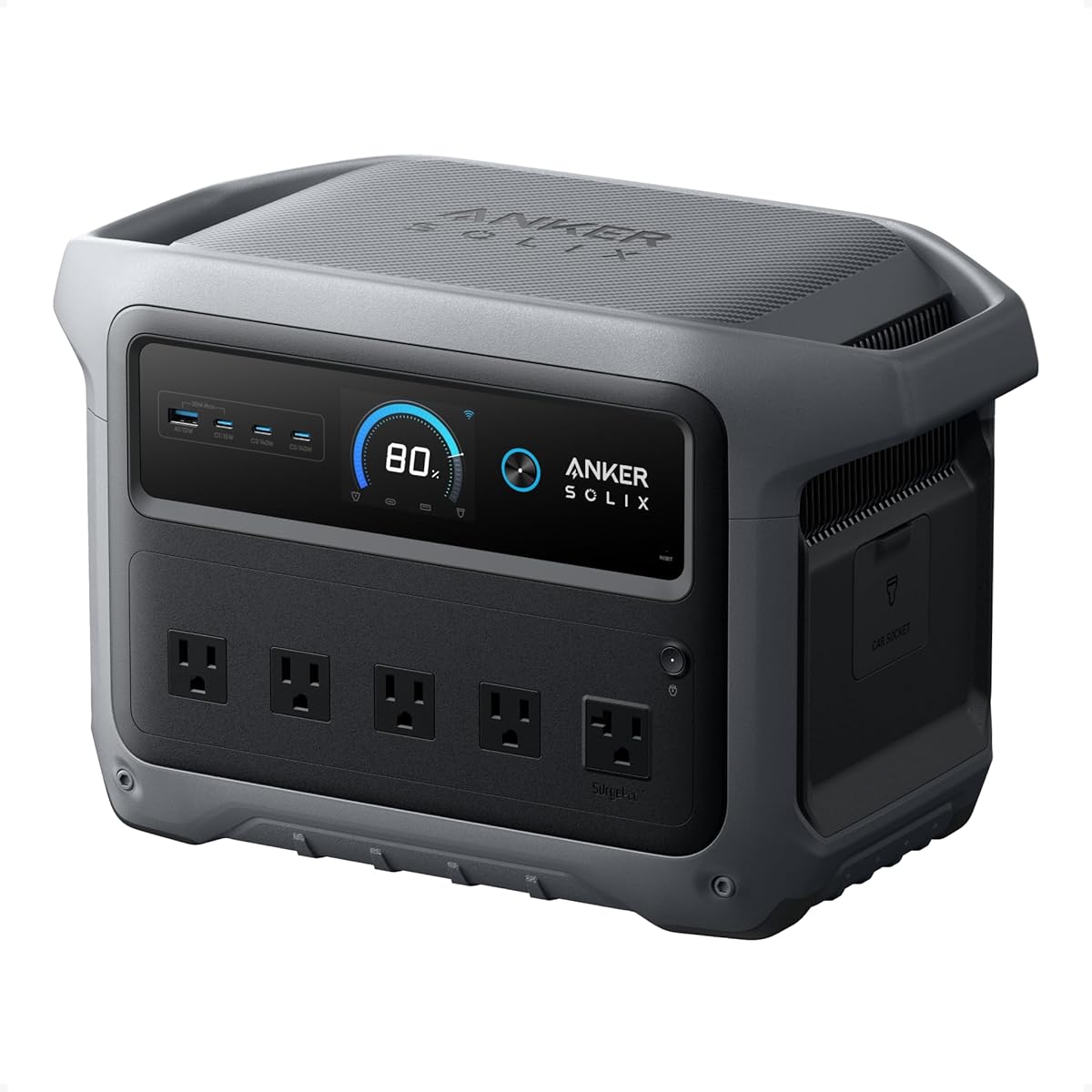
4.7Editor score

4.3Editor score
Here is a side-by-side comparison of all ten Anker stations. This table helps you quickly compare capacity, output power, and key features to find the right model for your needs.


The Anker SOLIX C1000 Gen 2 stands out as the best overall portable power station. With a 4.7 rating it offers exceptional speed and versatility for home backup and camping needs.
We may earn a commission when you buy through this link, at no additional cost to you.
Its HyperFlash technology allows a full recharge in just 49 minutes. The 2000W output supports most appliances while 10 ports ensure you can charge everything at once.
It is compact and 11% lighter than similar models. While the price is higher, the efficiency and portability justify the investment for frequent travelers.
Buy this if you need fast charging and portability. It is perfect for tailgating, remote work, or emergency home backup where time and weight matter.
The 1600W input lets you recharge to 80% in under an hour. This means you spend less time waiting and more time using power.
Use the Anker app to manage power output and track usage. TOU mode helps optimize energy use during peak times to save money.
We may earn a commission when you buy through this link, at no additional cost to you.
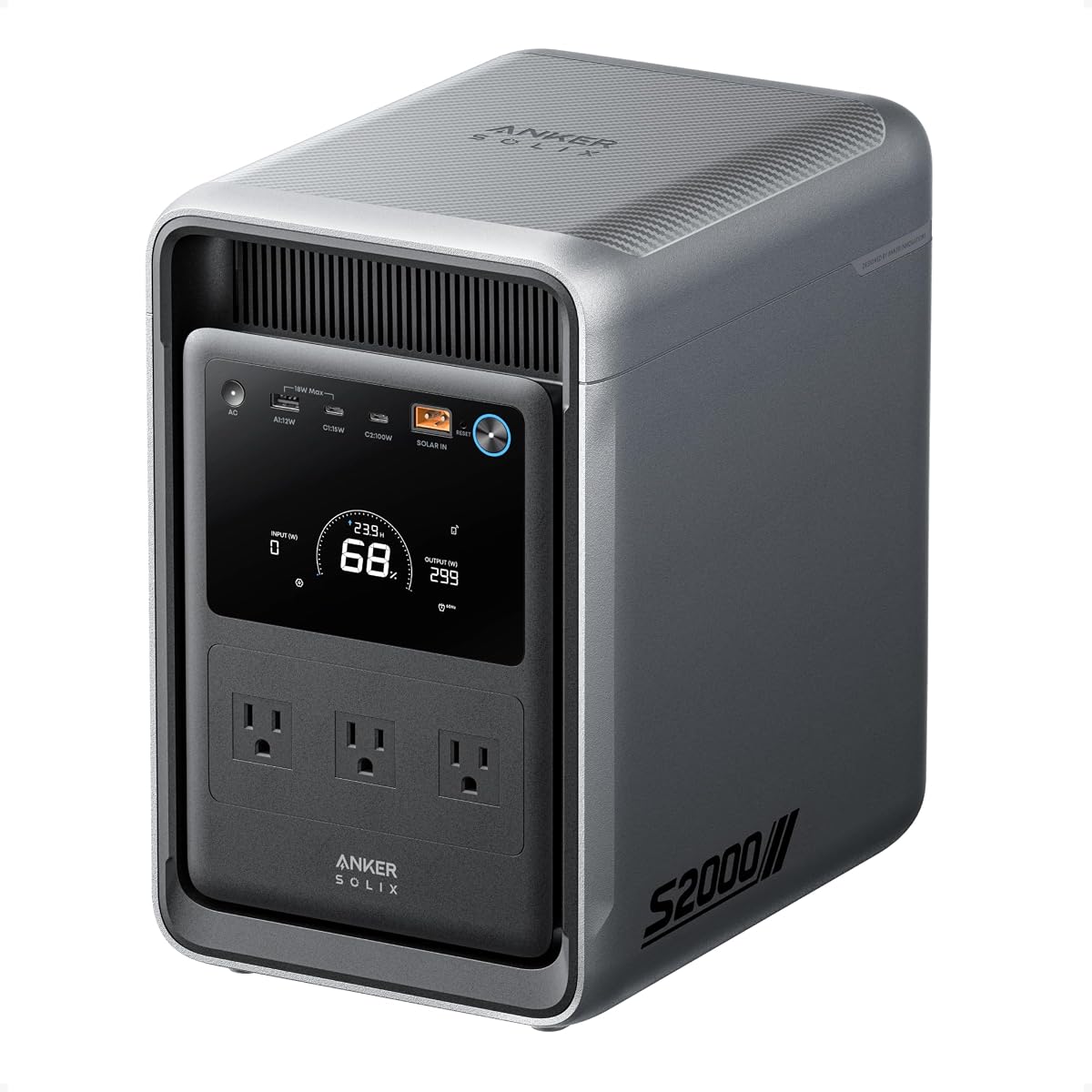
The Anker SOLIX S2000 excels in runtime efficiency. It powers a fridge for 35 hours thanks to 10% higher efficiency than other systems. Its 10000 cycle life ensures it lasts decades.
We may earn a commission when you buy through this link, at no additional cost to you.
It is 30% smaller than industry averages for 2kWh units. The 1500W output handles most essentials while 6 ways to recharge offer great flexibility for off-grid living.
The lack of a 12V DC port might limit car use. However, the compact size and long lifespan make it a top choice for home backup where weight matters.
Choose this for long-term reliability and efficiency. It is ideal for keeping food cold and essentials running during extended power outages.
The S2000 keeps your fridge running for 35 hours. This is vital for food safety during storms or grid failures.
With 10000 cycles the battery lasts around 15 years. You will likely not need to replace the battery in your lifetime.
We may earn a commission when you buy through this link, at no additional cost to you.
The Anker SOLIX C300 DC is the best budget option for light travelers. It offers 300W output and 7 ports in a tiny 30% smaller package. Its price makes it accessible for casual campers.
We may earn a commission when you buy through this link, at no additional cost to you.
It charges phones and laptops fast with 140W USB-C ports. The LiFePO4 battery ensures it lasts for years despite the low cost. It is perfect for keeping essentials alive.
It cannot power heavy appliances like fridges. However, for weekend trips or camping, it provides enough energy for phones, lights, and cameras without breaking the bank.
Buy this if you need a small and cheap power bank. It is ideal for day trips where you just need to charge a few devices.
This unit is designed to go anywhere. Its small size means it fits in any backpack or car trunk easily.
Use the 140W USB-C ports for fast recharges. You can power your laptop directly from this tiny unit.
We may earn a commission when you buy through this link, at no additional cost to you.
The Anker SOLIX F3000 is built for heavy duty solar charging. Its 2400W solar input recharges faster than most stations. The 6000W output supports demanding appliances like dryers when paired.
We may earn a commission when you buy through this link, at no additional cost to you.
It offers 3072Wh capacity to run essentials for long periods. You can expand it to 24kWh with extra batteries. This makes it suitable for RV living or full home backup.
It is heavy and not ideal for hiking. But its power and solar speed make it a powerhouse for stationary off-grid homes or large camps.
Choose this for high solar charging needs. It is perfect for those who want to run high-wattage devices and stay powered indefinitely.
With 2400W input you can use large solar arrays. This means you can recharge fully in a few hours of sun.
The 6000W output lets you run big appliances. It can handle power tools or even a dryer with the right setup.
We may earn a commission when you buy through this link, at no additional cost to you.
The Anker SOLIX F3800 is unique for its EV charging capabilities. You can charge your electric vehicle directly via the NEMA 14-50 port. It also offers 6000W output for large appliances.
We may earn a commission when you buy through this link, at no additional cost to you.
It has 3840Wh capacity to last a day. You can expand this to 26.9kWh with extra packs. Its 10 year life ensures long-term value for serious off-grid users.
It is a large investment and heavy to move. However, its direct EV charge and dual voltage make it a top choice for full home backup and mobility.
Buy this for EV charging and large home needs. It is perfect for those who need to power multiple high-draw devices at once.
Charge your EV directly without adapters. This saves money and keeps you mobile during outages.
Add battery packs to increase capacity. This allows you to scale power as your needs grow over time.
We may earn a commission when you buy through this link, at no additional cost to you.
The Anker SOLIX C300 is a quiet camping essential. It operates at just 25dB so it won't disturb your campsite. Its 8 ports let you charge everything from drones to laptops.
We may earn a commission when you buy through this link, at no additional cost to you.
It features a fast USB-C port for quick device charging. The LiFePO4 battery ensures durability. It is 15% smaller than similar units for easy packing.
It is not for high power appliances. But for weekend camping and keeping devices alive, it offers a great balance of size and functionality.
Choose this for silent travel camping. It is ideal for nature lovers who value quiet and portability over raw power.
At 25dB it is nearly silent. This makes it perfect for sleeping areas or nature camps where noise matters.
Its small size fits in any bag. You can take it anywhere without feeling weighed down by heavy gear.
We may earn a commission when you buy through this link, at no additional cost to you.
The Anker SOLIX C1000 is great for car camping. It comes with a car charging cable and offers 11 ports. The 2400W output handles high-power devices while the 43 min recharge is quick.
We may earn a commission when you buy through this link, at no additional cost to you.
It is 15% smaller than similar units. This makes it easy to store in a trunk. The LiFePO4 battery ensures reliability for years of use.
It is pricier but the speed and ports justify it. You can charge many devices at once without hassle. It is a versatile choice for outdoor setups.
Buy this for versatile car camping. It is perfect for road trips where you need to charge many devices and recharge fast.
Includes a car cable for travel. You can top up your power while driving to your campsite.
The 2400W output supports heavy devices. You can run a mini fridge or coffee maker on the go.
We may earn a commission when you buy through this link, at no additional cost to you.
The Anker SOLIX F3800 Plus is a premium powerhouse. Its 3200W solar input and 6000W output make it the top pick for heavy needs. It can expand to 27kWh for long-term backup.
We may earn a commission when you buy through this link, at no additional cost to you.
It recharges in 63 minutes with solar and generator. The dual voltage lets you run any appliance. It is built to last 10+ years with daily use.
It is a huge investment and heavy. But for those who need maximum power and speed, it offers unmatched performance and expandability.
Choose this for high-end off-grid needs. It is perfect for full home backup or RV setups that require massive power capacity.
With 63 minute recharge you are ready fast. This means less downtime during emergency outages.
Its 3200W solar input is unmatched. You can use large panels to keep it topped up quickly.
We may earn a commission when you buy through this link, at no additional cost to you.
The Anker SOLIX F2600 balances capacity and portability. With 2560Wh it runs appliances for long periods. Its 2400W output supports most needs. It recharges to 80% in just 2 hours.
We may earn a commission when you buy through this link, at no additional cost to you.
It features app control via Wi-Fi for smart monitoring. The InfiniPower tech ensures it lasts 10 years. It is ideal for camping and home backup.
It is heavy and lacks 240V. But for most users, the capacity and speed make it a reliable and versatile choice.
Buy this for balanced home and camping use. It is perfect for those who need substantial power without the bulk of larger stations.
Manage power usage remotely via app. This helps you plan energy use for longer outages.
With 10 year life it is built for daily use. You can trust it for years of emergency backup.
We may earn a commission when you buy through this link, at no additional cost to you.
The Anker SOLIX F1500 is a compact home backup unit. It has 1536Wh capacity and 1800W output. Its 1.4H recharge is fast for its size. It offers a 5-year warranty for peace of mind.
We may earn a commission when you buy through this link, at no additional cost to you.
It powers up to 13 devices at once. This makes it great for powering lights and phones during outages. Its compact design fits easily in small spaces.
It is not for large appliances. But for basic home backup and budget-friendly needs, it is a solid and reliable choice.
Choose this for small home backup. It is perfect for renters or small households that need basic power protection.
The 5-year warranty covers the device. This ensures you get reliable performance for years without worry.
Its small size fits any home corner. You can keep it ready without taking up much space.
We may earn a commission when you buy through this link, at no additional cost to you.
Choosing the right Anker power station depends on your needs and use case. This guide outlines key factors to help you pick the best model for your energy requirements.
Battery capacity measured in Wh or kWh determines how long your devices will run. Larger capacities like 3000Wh can power a fridge for days while smaller 200Wh units suit phones and laptops.
Choose capacity based on the longest outage you expect. For home backup get at least 1000Wh. For camping 500Wh to 1000Wh is usually sufficient.
Output power in Watts decides what devices you can run. High wattage like 3000W supports heavy appliances like microwaves and dryers. Lower wattage works for electronics and lights.
Check the surge rating too. Devices like pumps need a surge of power to start. Ensure the station exceeds this surge value for safe operation.
Recharge speed is key for emergencies. HyperFlash tech allows recharging in under an hour. Slower models take 5 to 6 hours for a full charge via wall outlet.
Prioritize fast recharge if you need quick setup. Solar recharge speed depends on input capacity. Higher solar input means faster charging via panels.
Weight and size matter for travel. Units under 40 lbs are easy to carry for camping. Larger units over 50 lbs are better for home backup where moving is rare.
Look for built-in handles and design. Some units are smaller for their capacity. Consider if you need to move it often or just use it in one spot.
Solar input determines off-grid sustainability. Higher input like 1000W lets you use larger solar panels for faster charging. Lower input limits your panel options.
If you plan on extended camping choose high solar input. This ensures you can recharge daily even if clouds block some sunlight.
LiFePO4 batteries offer longer life and safety. They last 3000 to 10000 cycles. This ensures the unit lasts for years without losing much capacity.
Always choose LiFePO4 over standard Lithium-ion. It is safer for indoor use and lasts longer. This ensures better value over time.
Some models let you add extra batteries. This extends capacity for long outages. Check if the unit supports extra packs before buying.
Expandability is useful for RV living. It allows you to scale power as needs grow. It saves you from buying a whole new unit later.
Warranty length varies from 5 to 10 years. Long warranties show confidence in build quality. Ensure the warranty covers battery health too.
A good warranty protects your investment. Look for 5 year full device warranty. This ensures support if issues arise later.
Start by reading the manual. Connect your devices to AC or USB-C ports. Avoid overloading the total output wattage. This ensures safe operation.
Recharge regularly. Use wall outlet or solar. If stored long term keep charge at 60%. This preserves battery health.
Clean the unit with dry cloth. Store in cool dry place. Avoid extreme heat or cold. This extends the life of your power station.
You can charge via wall outlet, solar panels, or car outlet. Most models take 2 to 5 hours via wall outlet. Solar charging depends on panel size and sunlight.
Yes, they are safe for home use. They have built-in protections against overloading and short circuits. They are also quiet compared to gas generators.
Anker stations use LiFePO4 batteries which last 3000 to 10000 cycles. This translates to 10 to 15 years of daily use depending on the model.
Yes, but capacity matters. A 2000Wh station can run a fridge for 20 to 30 hours. Check the fridge wattage to confirm runtime.
Yes most support solar panels. Check the max input wattage. Anker recommends using their matching panels for best performance.
No, most are too large for planes. FAA allows up to 100Wh. Anker stations exceed this limit so check airline rules.
C models are compact and cheaper. F models offer higher power and expandability. Choose C for camping and F for home backup.
It depends on ports. Most have 10 to 11 ports. This allows charging laptops, phones, and appliances simultaneously.
This guide covered ten top Anker stations for every need. From the fast C1000 Gen 2 to the powerful F3800 Plus there is a model for everyone.
Prioritize capacity and output for your specific use case. Ensure it meets your power needs and recharge requirements before buying.
Prices change daily. Always check the current price and stock before purchasing to get the best deal today.