As an Amazon Associate we earn from qualifying purchases. We may earn a commission when you buy through links on this page, at no additional cost to you. Read our affiliate disclosure.As an Amazon Associate we earn from qualifying purchases.Purchases through our links may earn us a commission, at no extra cost to you. Read our affiliate disclosure.
Finding the right solar power solution can be challenging when you need reliable energy for off-grid living or mobile applications. An 800W solar panel system offers a robust balance between power output and installation space. Whether you are outfitting an RV, powering a cabin, or upgrading your boat, choosing the right kit ensures consistent energy generation.
We have evaluated ten leading 800W solar panel options available on the market today. Our comparison focuses on key technical specifications such as cell efficiency, weather resistance, and compatibility with various battery systems. We also consider ease of installation and the overall value provided by each kit to help you make an informed decision.
Each product on this list is detailed with its specific strengths and potential limitations based on user feedback and manufacturer data. You will find information on flexibility, bifacial capabilities, and included accessories like charge controllers. Please note that prices and availability can change frequently, so check current listings before purchasing.
Top 3 Picks for Best 800W Solar Panel
Best Budget
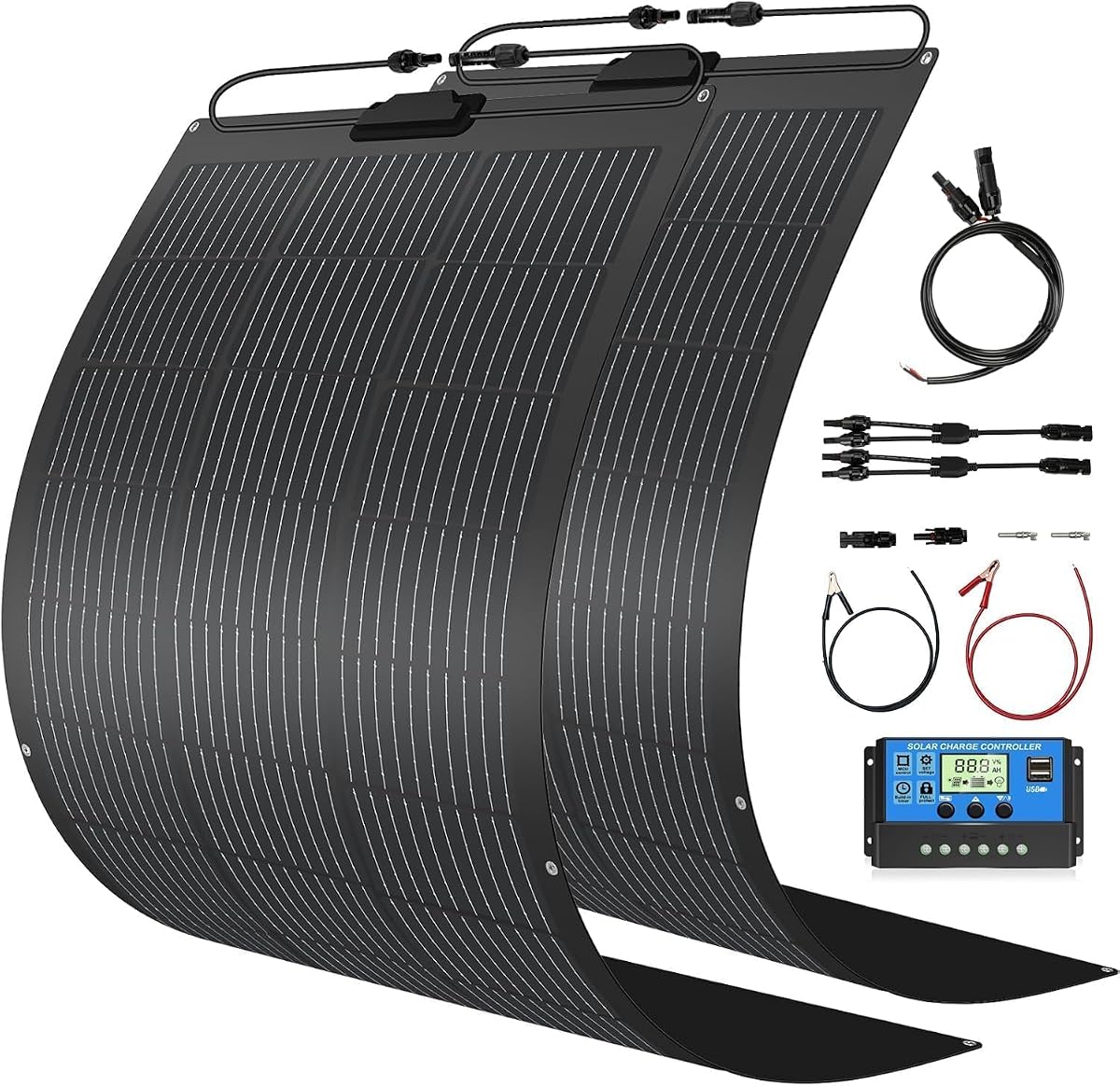
800W Solar Panel Kit, 2x400W Flexible Monocrystalline RV Solar Panel | for 12V/24V Battery | ETFE Semi-Flexible, Bendable to 30° | for RV, Boat, Van, Off-Grid Charging (Black 02)
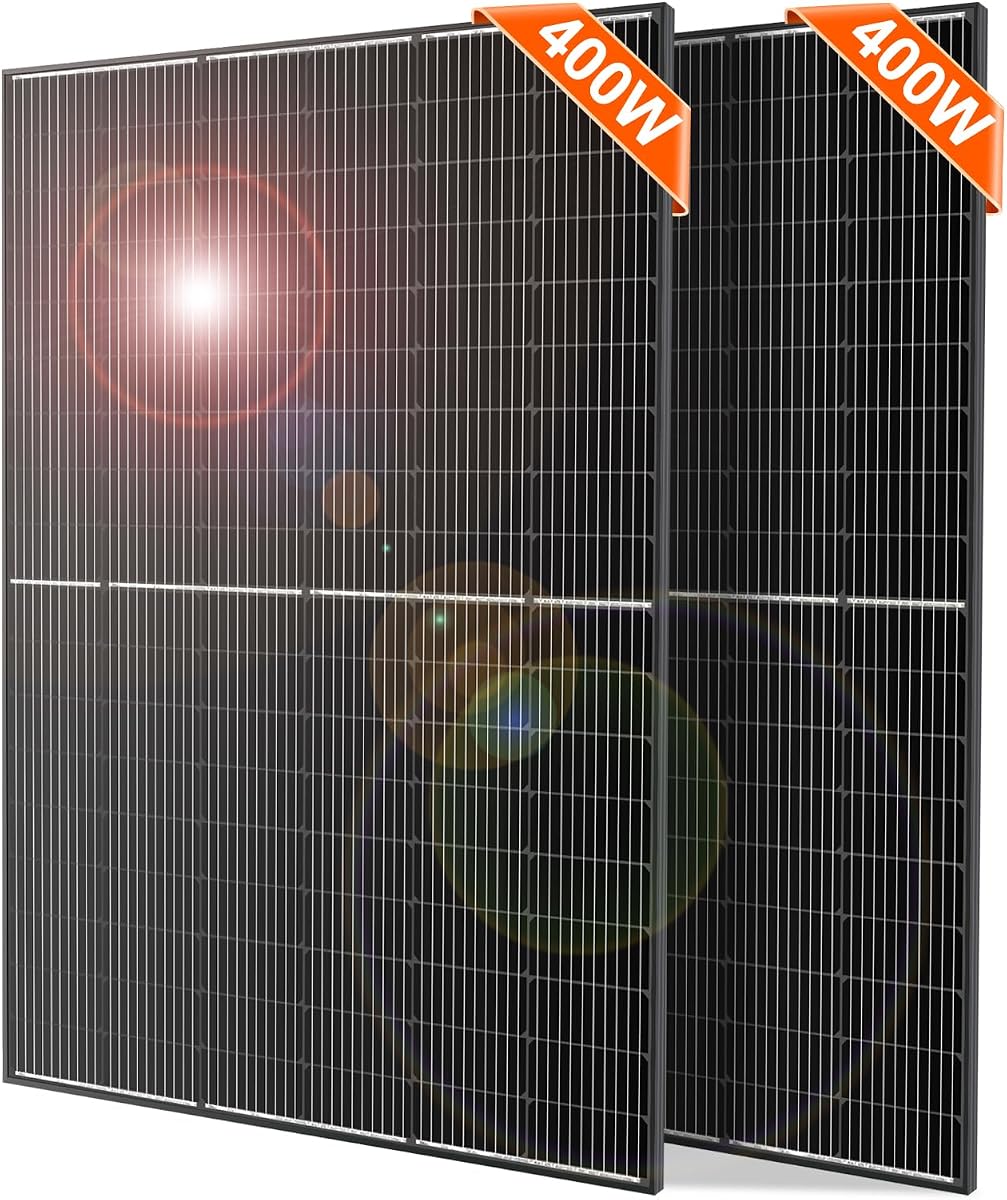
EPOCH 860W Bifacial Solar Panels,N-Type Class A 12/24 Volt Monocrystalline Solar Panel, High-Efficiency Waterproof Solar Module for RV Camping, Boat, Marine,Off-Grid[430w×2pcs]
The following table provides a side-by-side comparison of the top ten 800W solar panel kits. We highlight essential specifications such as cell type, efficiency ratings, and specific design features to help you quickly identify the best fit for your energy needs.
The Renogy Bifacial Solar Panel 800W N-Type stands out for its advanced cell technology. With a 4.3-star rating, it offers a unique bifacial design that captures light on both sides. This feature is particularly beneficial in environments with reflective surfaces like snow or white roofs.
Pros
Generates extra power from reflected light
High efficiency N-Type technology
Reduces impact of partial shading
Fewer panels needed for same output
Ideal for light-colored roof installations
Cons
Higher price point than standard kits
Requires reflective surface for max benefit
We may earn a commission when you buy through this link, at no additional cost to you.
Its N-Type cells deliver a 25 percent efficiency rate, meaning you generate more power per square foot. The dual-module design ensures that if one part of the panel is shaded, the other continues to produce power. This consistency is vital for off-grid reliability.
While the initial investment is higher, the energy gain can justify the cost over time. The requirement for a reflective surface to maximize the 30 percent boost means it might not suit all terrains. However, for RVs on light-colored roofs, it is a top choice.
Buyers seeking high efficiency and innovative technology should consider this kit. It is perfect for those who want to minimize roof space while maximizing output. Ensure your mounting environment reflects light to get the most out of the bifacial capability.
Maximize Output with Bifacial Tech
This panel captures reflected light on the back, adding up to 30 percent more energy in suitable environments.
Efficient N-Type Cell Design
Built with next-generation N-Type cells, it reaches 25 percent efficiency to produce more power per square foot.
This 800W Flexible Monocrystalline kit offers an impressive 5.0-star rating and is ideal for those on a budget. The ETFE coating and semi-flexible design allow it to bend to curved surfaces, making it perfect for RVs and boats with rounded roofs.
Pros
Extremely lightweight at 4.4 lbs per panel
Conforms to curved RV or boat roofs
ETFE coating for UV resistance
No drilling required for installation
IP68 rating for marine durability
Cons
Flexible panels may have shorter lifespan than rigid
Requires adhesive or tape for mounting
We may earn a commission when you buy through this link, at no additional cost to you.
Weighing only 4.4 lbs per panel, it is significantly lighter than rigid alternatives. This reduces stress on the vehicle structure and eliminates the need for heavy drilling. The IP68 waterproof rating ensures it withstands harsh marine environments.
The main trade-off is that flexible panels can degrade faster than rigid ones over many years. Additionally, adhesive mounting might require more careful surface preparation. However, the convenience and weight savings are substantial for mobile users.
If you need a lightweight, affordable solution for a curved surface, this kit is a strong contender. It is easy to install and provides reliable power for charging batteries. Check installation instructions to ensure a secure bond with your surface.
Conforms to Curved Roofs
Bends up to 30 degrees curvature to fit perfectly on curved RV or boat roofs without drilling.
Lightweight and Durable
70 percent lighter than rigid panels with ETFE coating for enhanced UV resistance.
The EPOCH 860W Bifacial Solar Panels are a premium option with a 4.5-star rating. They offer Class A cells and a high transparency rate of 91.5 percent. The bifacial design captures sunlight from double sides, improving efficiency even in low-light conditions.
Pros
High transparency for optimal light transmission
Long 25-year linear power output warranty
100% EL testing for microcracks
Strong wind and snow load tolerance
Versatile ground and roof mounting
Cons
Bifacial benefit depends on installation surface
Premium pricing for the extra features
We may earn a commission when you buy through this link, at no additional cost to you.
Durability is a key focus, with a 25-year linear power output warranty. Each panel undergoes 100 percent EL testing to ensure no microcracks. It can tolerate snow loads up to 5400 Pa and wind loads up to 2400 Pa, making it suitable for harsh climates.
The high price reflects the advanced technology and long-term warranty. You get a robust system designed for longevity and maximum energy conversion. The bifacial advantage is significant when installed on reflective surfaces like white gravel or light roofs.
For those seeking a top-tier solution with peace of mind from warranties, this is an excellent choice. It is ready for diverse applications including RVs, yachts, and cabins. Ensure you have a suitable reflective surface to maximize the bifacial energy capture.
Premium Durability and Warranty
Features a 12-year quality warranty and 25-year linear power output warranty for long-lasting durability.
High Efficiency and Testing
100% EL testing ensures no microcracks and high transparency for optimal light transmission.
The DOKIO 800W Solar Panels feature a 4.1-star rating and are designed for 12V and 24V systems. They provide a robust 31V output and include tempered glass and aluminum frames. The kit simplifies setup with fewer splitters compared to smaller panel arrangements.
Pros
Compatible with 24V battery banks
Tempered glass for year-round use
Fewer splitters than 8x100W setups
Long MC4 leads for controller runs
Parallel wiring option for safety
Cons
Requires compatible MPPT controller
Check for damage upon delivery
We may earn a commission when you buy through this link, at no additional cost to you.
Each panel includes 9.84ft MC4 leads, allowing you to run longer distances to your controller without extra extensions. This reduces the number of joints and potential failure points. It works well with AGM, Gel, and LiFePO4 batteries.
While reliable, you should verify compatibility with your specific charge controller. Also, inspect the delivery carefully for any shipping damage as recommended. This kit is a solid choice for those needing fewer connections and steady charging.
If you are building a system with 24V banks or want to reduce connection points, this is a practical option. It is built for outdoor use and offers a clean array. Always select a controller that handles the total current effectively.
Simplified Connection Setup
Fewer splitters and joints than eight 100W panels reduce failure points.
Robust Outdoor Readiness
Tempered glass and aluminum frame with sealed junction boxes for backyard use.
The DOKIO 800W Solar Panel Set has a 4.1-star rating and focuses on off-grid reliability. It delivers 800W total and prioritizes parallel wiring for safer 12V operation. The kit is designed to minimize hardware compared to multi-panel setups.
Pros
Delivers 800W STC output
Prioritizes parallel wiring safety
3 meter leads for reach
Fewer joints on roof
Sealed junction boxes
Cons
Requires size controller/inverter
Series only with suitable controllers
We may earn a commission when you buy through this link, at no additional cost to you.
With 3 meter leads on each panel, you can reach further without immediate extensions. This simplifies your runs and reduces added connectors. It works with 24V banks and is built for year-round yard or garden installations.
While efficient, you must size your controller for the combined current. Series connections are possible but require specific controller support. This kit is a practical step for off-grid enthusiasts seeking a balanced power solution.
If you need a dependable set for 24V systems, this is a strong choice. It offers steady charging with fewer failure points. Ensure your equipment matches the voltage and current requirements for safe operation.
Steadier Charging Safety
Prioritize parallel on 12V for safer voltage and steadier charging.
Simpler Runs
3 meter MC4 leads enable longer reaches without immediate extensions.
The 800W Portable Solar Panel holds a 4.2-star rating and is designed for mobile adventures. It features 23 percent efficiency and 39V output. Its foldable design allows for compact storage and easy transport during camping trips.
Pros
Foldable design for easy transport
IP67 waterproof for outdoor use
4 adjustable angles for alignment
Sunpower solar cells
Ideal for portable power stations
Cons
Heavier than flexible options
Kickstands take up space
We may earn a commission when you buy through this link, at no additional cost to you.
At 20 pounds, it is lightweight enough to carry but robust enough for regular use. The adjustable kickstands let you change angles between 30, 40, 50, or 80 degrees to catch optimal sunlight. The surface is coated with ETFE for durability.
While portable, it is heavier than flexible fixed panels. The kickstands can make it bulkier to pack in tight spaces. However, the ease of setup and adaptability make it great for off-grid power on the go.
If you camp frequently and need flexible power, this panel is a great tool. It is compatible with portable power stations and batteries. Just ensure you have space to unfold it for maximum sun exposure.
Adjustable Sunlight Alignment
4 adjustable angles help achieve maximum sunlight absorption anywhere.
High Efficiency for Mobile
Sunpower solar cells with 23 percent efficiency capture more sunlight in short periods.
The 800 Watt Solar Panel Kit has a 1.0-star rating but offers a complete setup including a 30A MPPT charge controller. It uses monocrystalline silicon cells for high efficiency. The kit targets various applications from RVs to residential storage.
Pros
Includes 30A MPPT charge controller
Monocrystalline silicon cells
Pre-drilled installation holes
Suitable for home storage
N-type technology
Cons
Low customer rating suggests reliability issues
May require additional components
We may earn a commission when you buy through this link, at no additional cost to you.
The controller helps optimize energy conversion and saves costs compared to buying separately. It features 25 percent efficiency cells and pre-drilled holes for mounting. However, the low rating warrants caution and careful review of recent feedback.
While the hardware looks good on paper, user experiences have been negative. You might face quality control issues with the panels or the controller. This is a potential value option if you can verify the current batch quality.
If you want an all-in-one kit with a controller, consider this. Ensure you check recent reviews to confirm consistency. It is designed to be easy to install on RVs or rooftops.
Complete Kit Setup
Includes 30A MPPT charge controller and solar panels for quick system assembly.
Efficiency Focus
Uses 10BB solar cells with up to 25 percent efficiency.
The 800 watt Solar Panel 16BB N Type has a 4.4-star rating and emphasizes durability. It uses N-Type monocrystalline cells and 16BB half-cell technology to improve light utilization. It is designed for long-term outdoor use with tempered glass.
Pros
Advanced N-Type cell technology
16BB half-cell design
Withstands 2400Pa wind load
IP68 connectors for protection
Improved low-light response
Cons
Standard rigid design requires mounting frames
No controller included
We may earn a commission when you buy through this link, at no additional cost to you.
The IP68-rated connectors and robust frame protect against rain and dust. It handles 5400Pa snow load and 2400Pa wind load effectively. The optimized design ensures stable power generation even in cloudy conditions.
While reliable, you need to source a compatible controller separately. The rigid design means you will need mounting brackets. However, for those seeking consistent power and high-quality materials, it is a solid choice.
If you prioritize reliability and weather resistance for off-grid systems, this fits well. It suits RVs and home backup power. Always check connector compatibility with your existing charge controller.
Enhanced Low-Light Response
Advanced N-Type cells reduce recombination losses for better efficiency.
Strong Weather Protection
IP68-rated connectors and 5400Pa snow load rating for harsh environments.
The 800 Watt Solar Panel Kit Flexible 40A lacks a rating but offers a robust 40A charge controller. It includes two 400W flexible panels. The design focuses on practicality for areas where city power cannot reach like deserts or marine locations.
Pros
Includes 40A charge controller
Flexible panel for curved surfaces
Water resistant and sealed
Suitable for marine environments
Light weight for boat decks
Cons
Rating not available yet
Requires adhesive for installation
We may earn a commission when you buy through this link, at no additional cost to you.
The flexible panel adapts to irregular surfaces such as truck or yacht roofs. The water resistant design and sealed junction box make it durable against harsh elements. It is a practical supplement for power shortages on the move.
Installation may require silicone or adhesive tape, which is convenient but requires care. While the rating is unavailable, the feature set is strong for marine use. The included controller helps manage battery charging efficiently.
For boaters needing a simple setup with a controller, this kit is viable. Ensure the adhesive surface is clean for best results. It is designed to convert light energy effectively even in low light.
Flexible for Irregular Surfaces
Flexible panel choice for curved surfaces of RVs and boats.
Waterproof Durability
Junction box is sealed and waterproof for outdoor reliability.
The 800 Watt Solar Panel Kit Flexible 40A Version 2 mirrors the previous model with a 40A controller. It features two 400W flexible panels designed for irregular surfaces. It converts light energy and is practical for places like mountains or deserts.
Pros
Includes 40A charge controller
Flexible for curved boat tops
Water resistant flexible panel
Grommet mounting holes included
Strong for marine and camping
Cons
No current rating available
Flexible panels may degrade over time
We may earn a commission when you buy through this link, at no additional cost to you.
The water resistant flexible panel offers durability without the bulk of rigid models. It includes grommet holes for mounting or adhesive installation. This makes it a versatile choice for off-grid battery charging on boats.
While it lacks a rating, the specs suggest a solid kit for marine use. Ensure you secure it properly for high-wind conditions. The controller simplifies the setup for immediate power generation.
If you need a flexible option with a controller for a boat, this is worth considering. It helps supplement power during shortages. Always check weather resistance and secure mounting for safety.
Practical for Power Shortages
Convenient supplement for places where city power cannot reach.
Easy Installation Options
6 grommet mounting holes or adhesive tape for flexible install.
We may earn a commission when you buy through this link, at no additional cost to you.
Buying Guide – How to Choose the Best 800W Solar Panel
Selecting the right 800W solar panel system requires evaluating several technical factors. We have outlined key aspects to help you narrow down the best option for your specific application.
Panel Efficiency and Cell Technology
Efficiency determines how much sunlight a panel can convert into electricity. Look for N-Type or high-efficiency monocrystalline cells. Higher efficiency allows more power generation in limited space.
Prioritize panels with 25 percent or higher efficiency for best long-term returns.
Flexibility vs Rigidity
Flexible panels conform to curved surfaces but may have a shorter lifespan. Rigid panels are more durable but require heavy framing. Choose based on your installation surface constraints.
Select rigid for ground mounts and flexible for curved roofs to maximize surface area.
Voltage and Battery Compatibility
Ensure the panel output voltage matches your battery bank. 800W kits often output 31V to 39V for 12V or 24V systems. Check controller input limits to prevent damage.
Verify that your battery bank and charge controller support the total voltage and current.
Weather Resistance and Durability
Look for IP68 rated junction boxes and tempered glass. Panels should withstand snow loads and wind pressures. These features ensure reliability in harsh climates.
Check for IP68 connectors and snow load ratings to ensure outdoor durability.
Mounting and Installation Requirements
Some kits include pre-drilled holes and connectors for easy setup. Others may need custom brackets or adhesives. Consider your tools and time available for installation.
Choose kits with pre-installed MC4 connectors and pre-drilled holes for faster setup.
Charge Controller Inclusion
Some kits come with MPPT controllers while others do not. A high-quality controller maximizes energy harvest and protects batteries. Calculate if buying separately adds value.
Opt for kits including an MPPT controller to simplify system assembly and optimize performance.
Warranty and Support
A strong warranty indicates manufacturer confidence. Look for 12 to 25 year output warranties. Good support ensures help if components fail.
Verify that the panel includes a minimum 12-year warranty and responsive customer service.
Bifacial Capabilities
Bifacial panels capture light from both sides for increased output. This feature works best with reflective surfaces like white roofs. It adds value in specific environments.
Choose bifacial models if your installation surface reflects light to boost energy production.
How to Use and Care for Your 800W Solar Panel
Position your panels where they receive direct sunlight from morning to afternoon. Avoid shading from trees or structures during peak hours.
Clean the panel surface regularly with mild soap and water to remove dust. Avoid harsh chemicals that could damage the protective coating.
Inspect connectors and wires for corrosion or wear every few months. Ensure all connections remain tight and waterproof.
Frequently Asked Questions
Do 800W solar panels work in cloudy weather?
Yes, solar panels generate power on cloudy days but at reduced capacity. N-Type and high-efficiency cells help maintain better output in low light. Expect 10 to 25 percent of rated power on overcast days.
What charge controller is needed for 800W?
An MPPT charge controller is highly recommended for efficiency. It should be rated for the input voltage and current of your panels. Ensure the controller can handle the total combined current safely.
Can I connect 800W panels to a 12V battery?
You can use 800W panels with a 12V battery system if your controller allows it. Many panels output higher voltage so MPPT controllers step it down. Always verify compatibility with your battery bank.
How long do 800W solar panels last?
Most solar panels last 25 years or more with proper care. Flexible panels may degrade faster than rigid ones. Regular cleaning and monitoring help maintain output levels.
Is 800W enough power for an RV?
For most RV needs, 800W provides substantial power for appliances. It can run lights, fridges, and charging systems. Larger AC loads may still need additional storage or backup generators.
Do flexible panels damage the roof?
Flexible panels are lighter and cause less stress than rigid ones. However, adhesive installation must be done carefully. Check your roof warranty before attaching panels.
What is the difference between bifacial and standard?
Bifacial panels absorb light from the back as well as the front. This increases total energy harvest in reflective environments. Standard panels absorb light only from the front side.
How do I calculate power needs for 800W?
Calculate total watt-hours needed per day. Add a buffer for cloudy days and system losses. Ensure your battery storage matches your daily power consumption.
Final Thoughts on Choosing the Best 800W Solar Panel
The best 800W solar panel for you depends on your specific needs and environment. Whether you prioritize efficiency with Renogy or affordability with flexible options, there is a suitable choice.
Consider durability and installation requirements before purchasing. A well-matched system will provide reliable power for years to come.
Prices for solar panels fluctuate based on supply and demand. Always check current listings to get the best deal available at this time.
This guide compares the top 10 digital distance measuring wheels for accuracy, durability, and portability to help professionals and homeowners choose the